

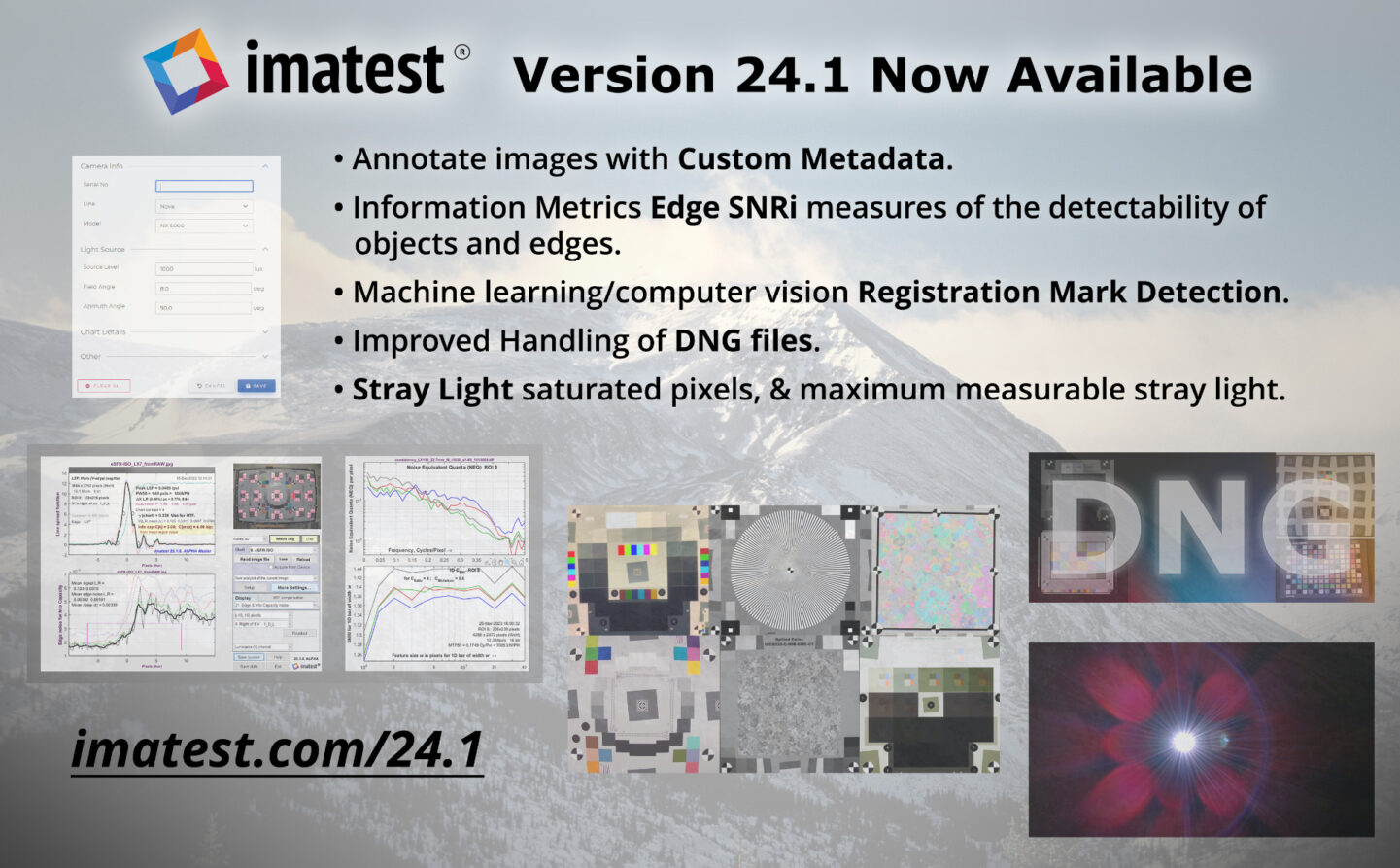
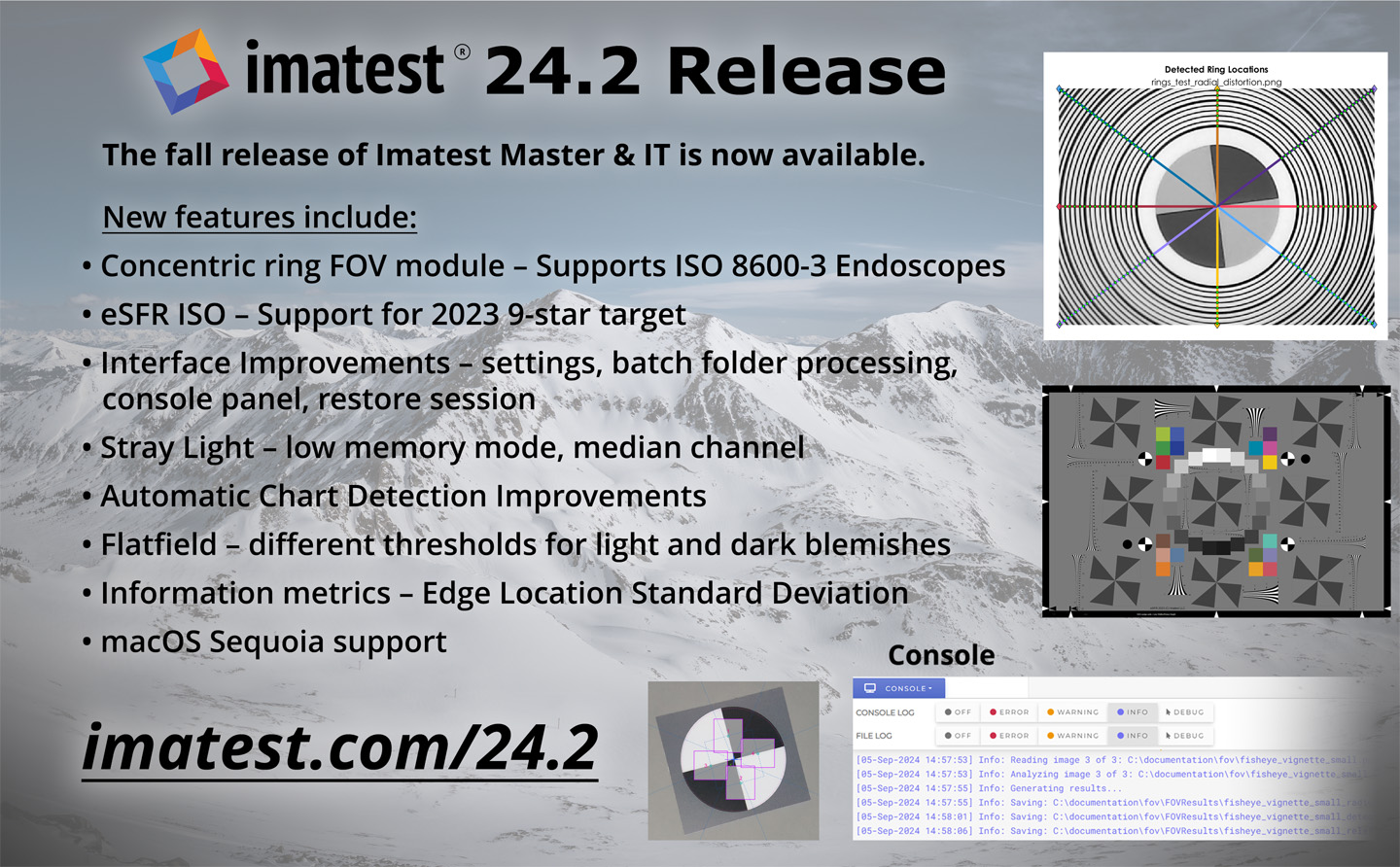
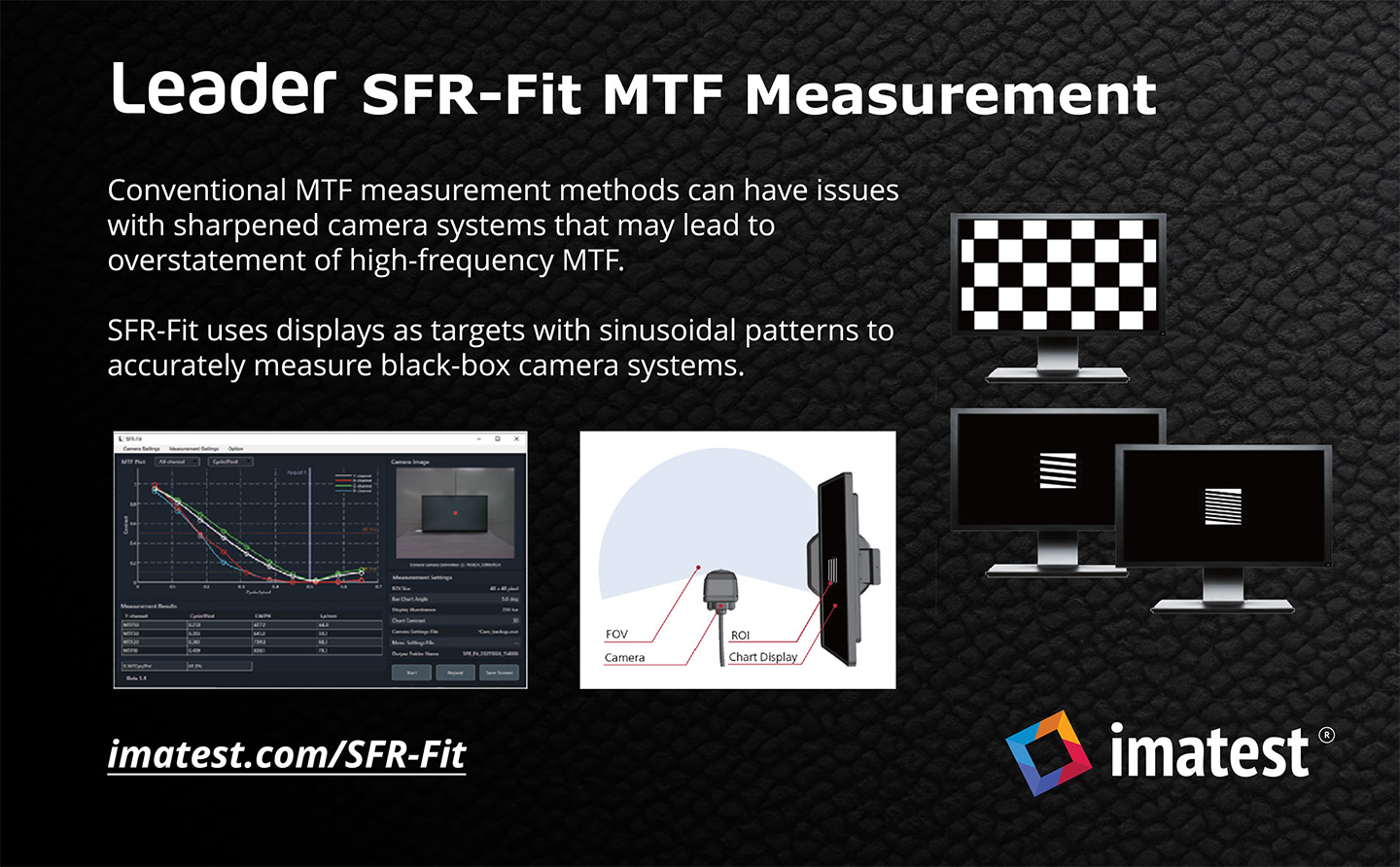
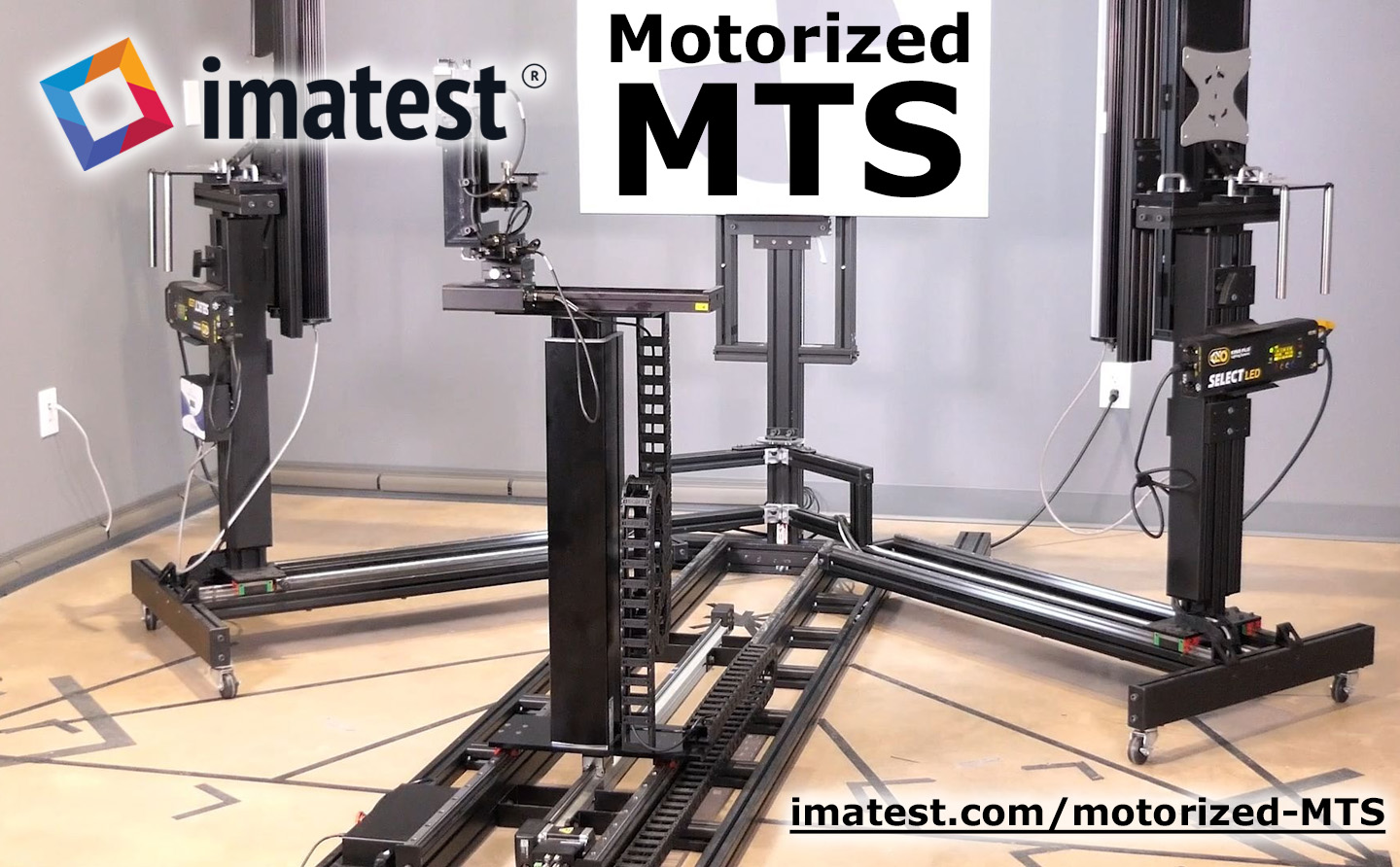
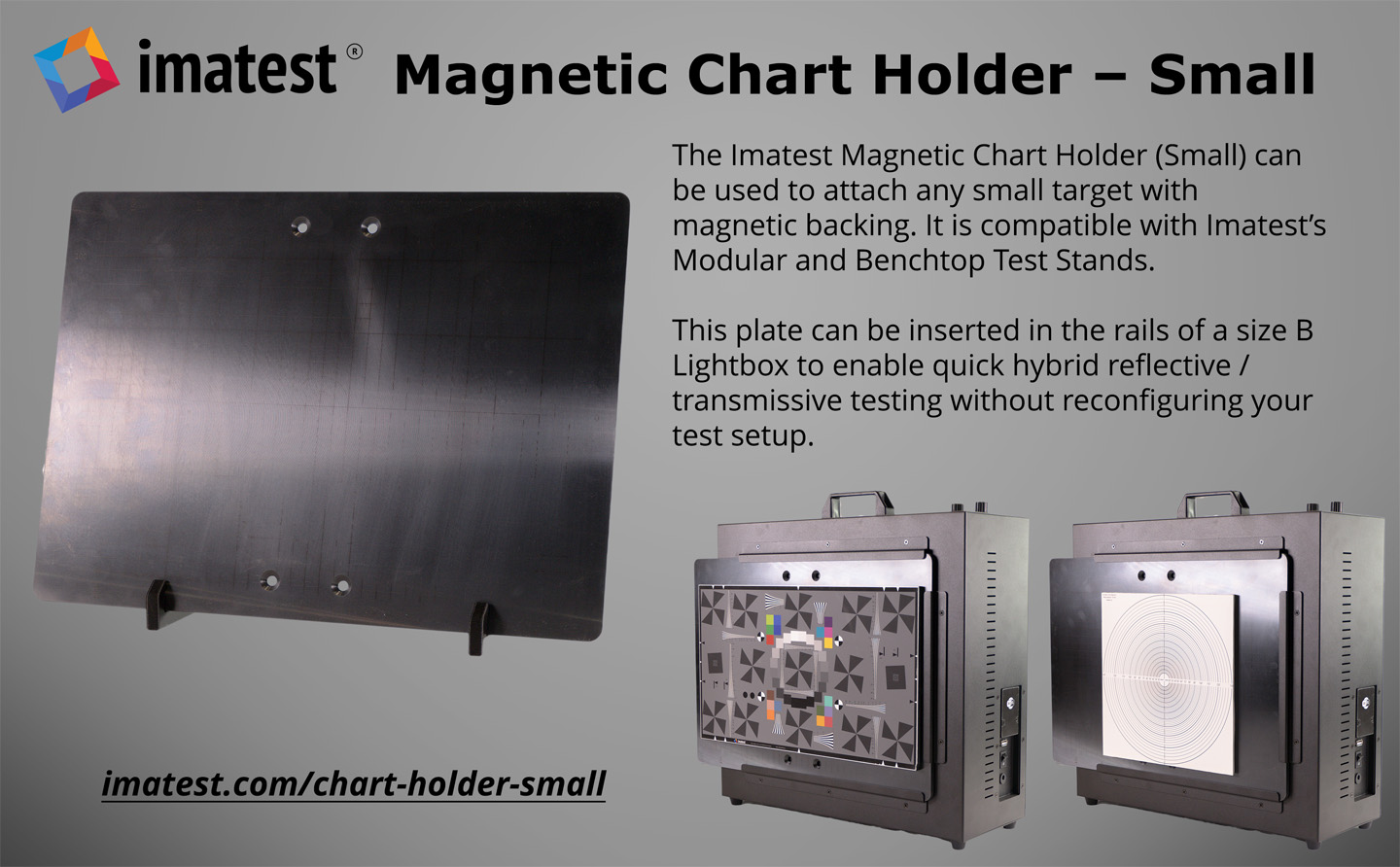
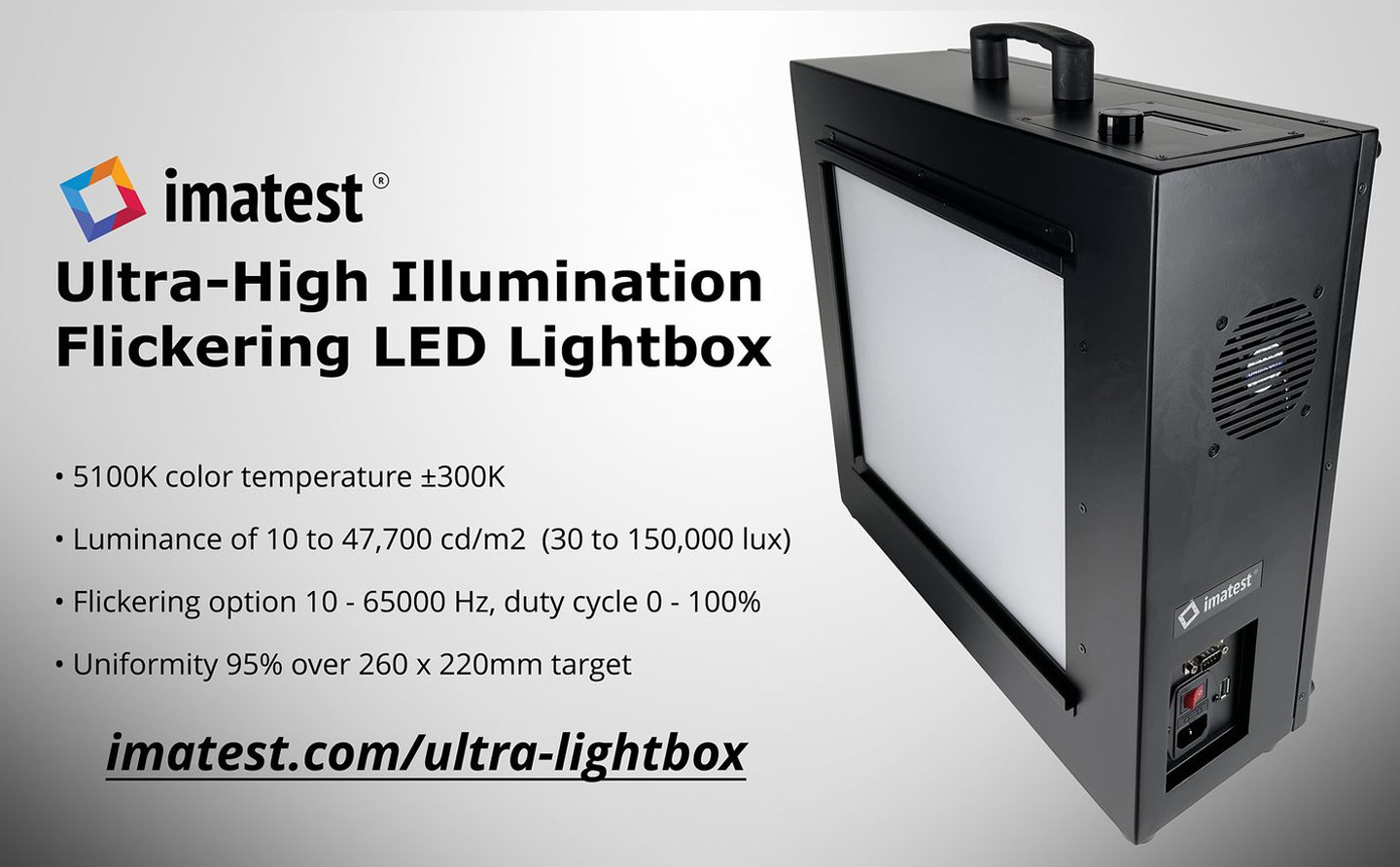
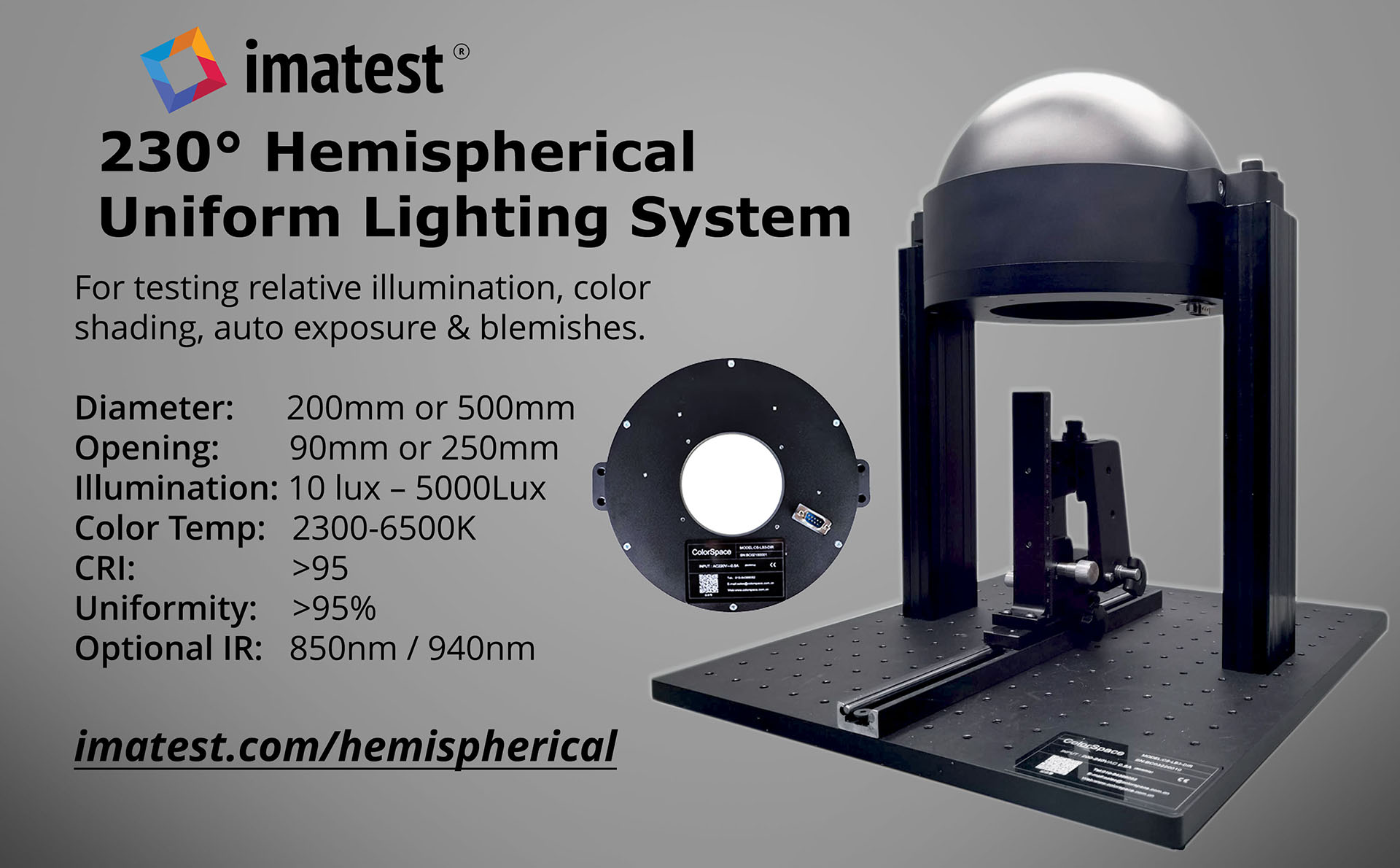
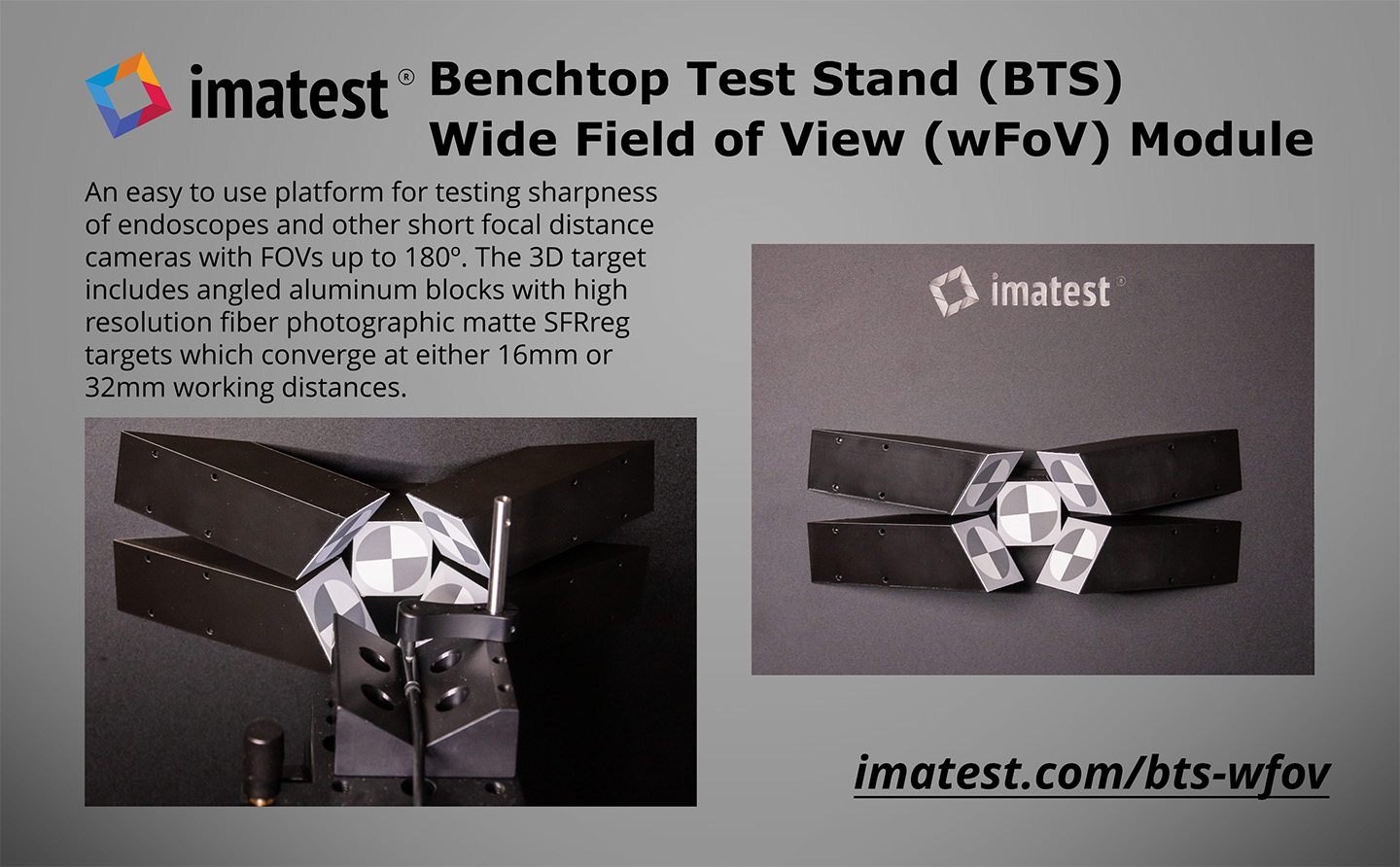
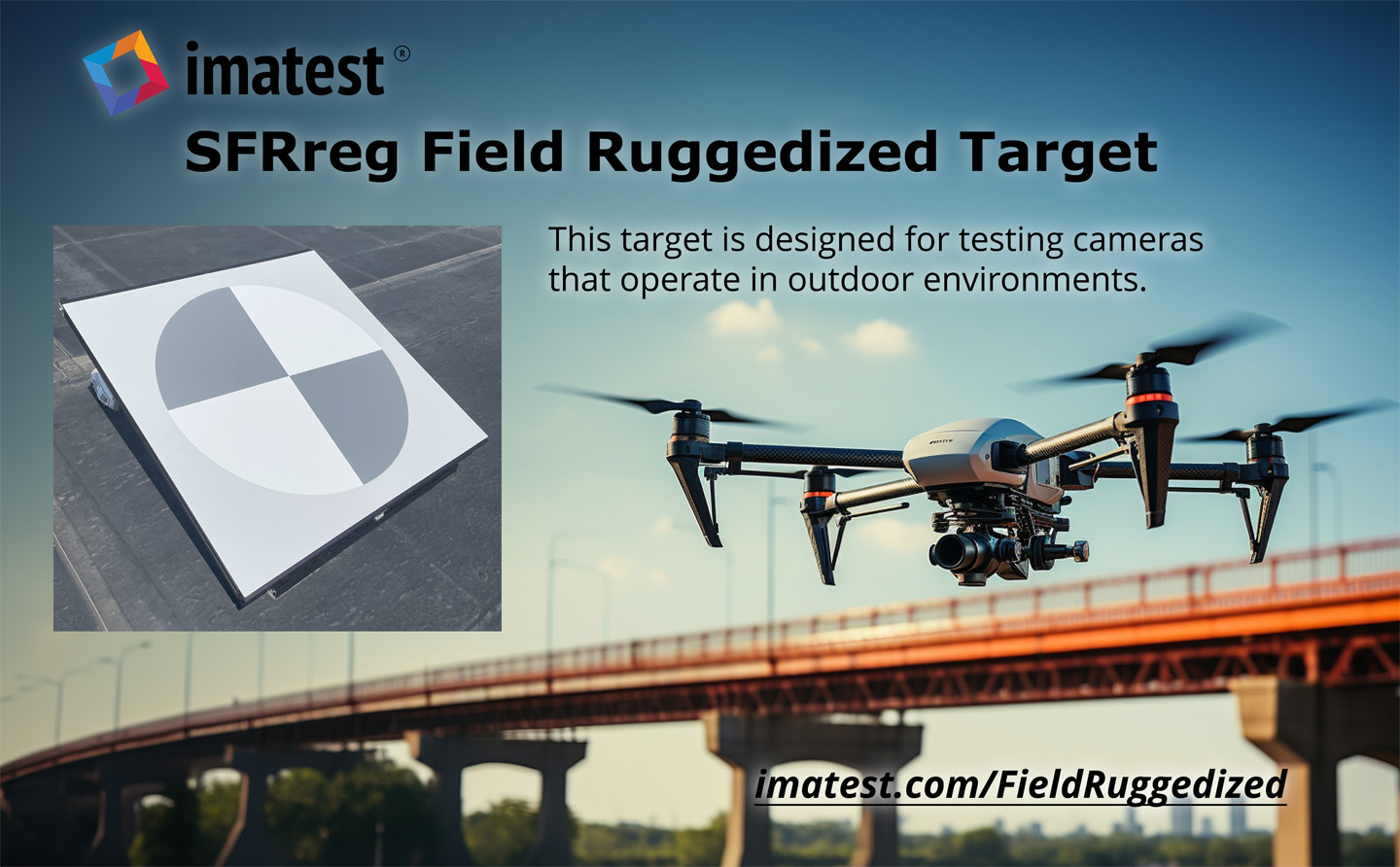
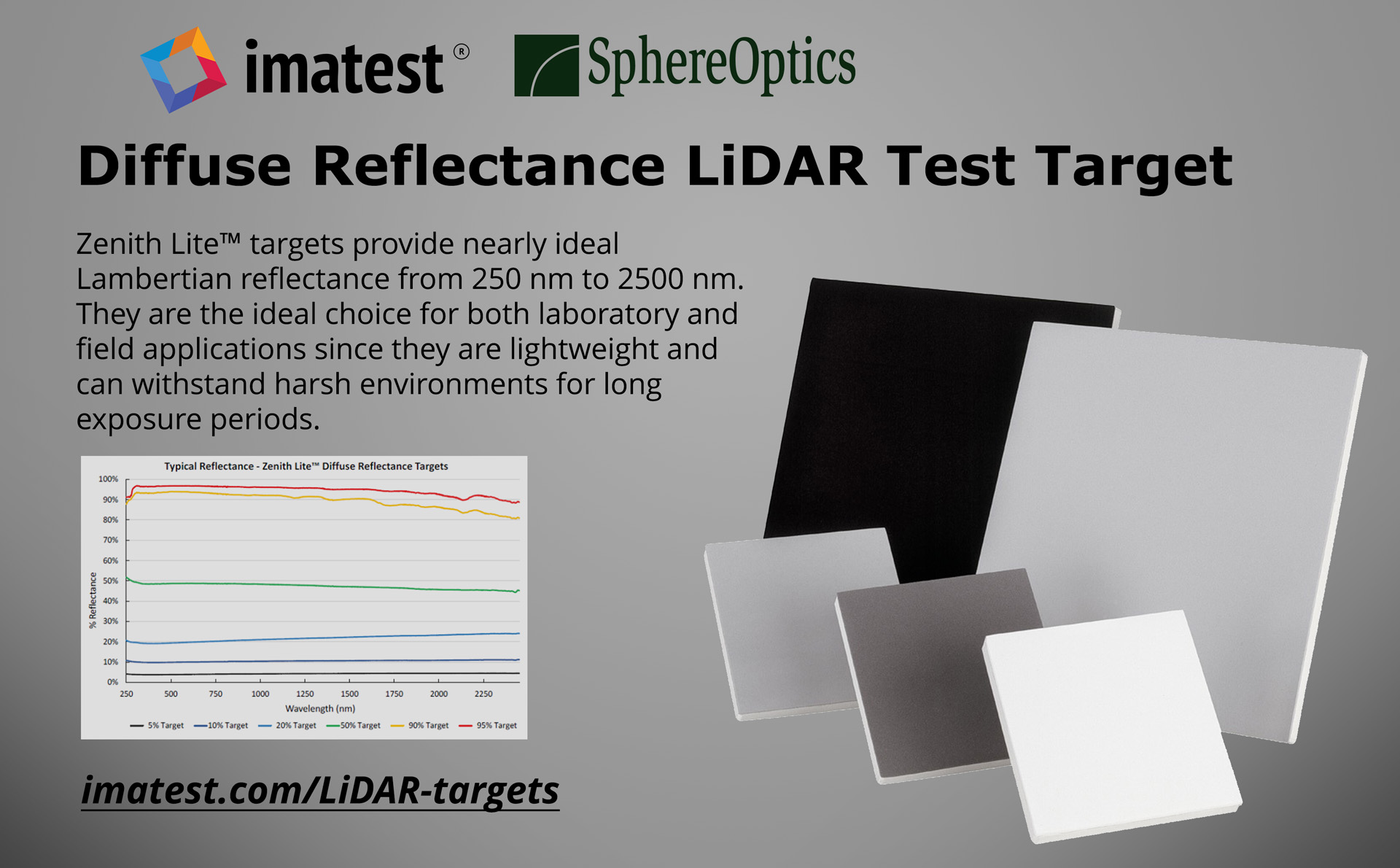
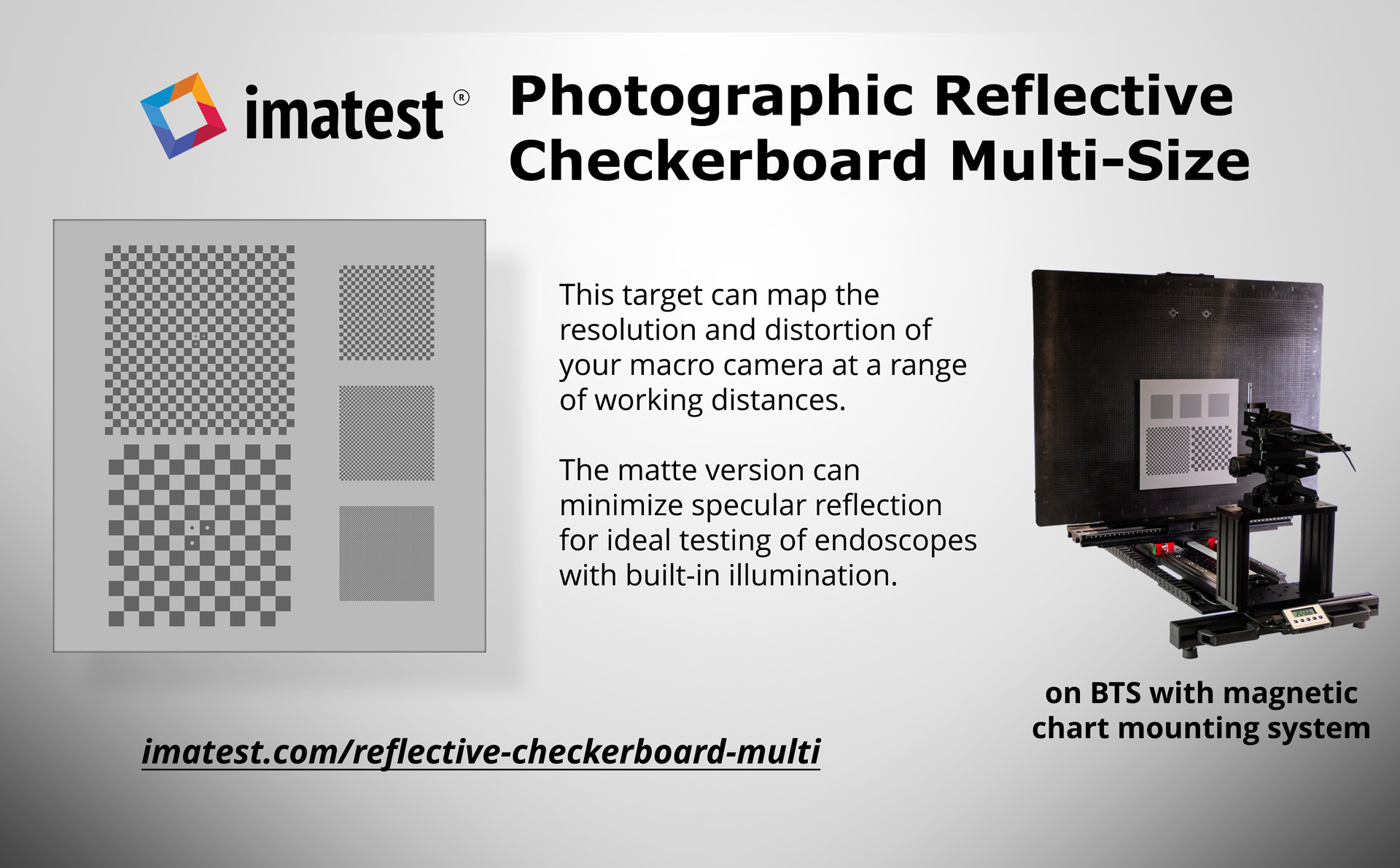
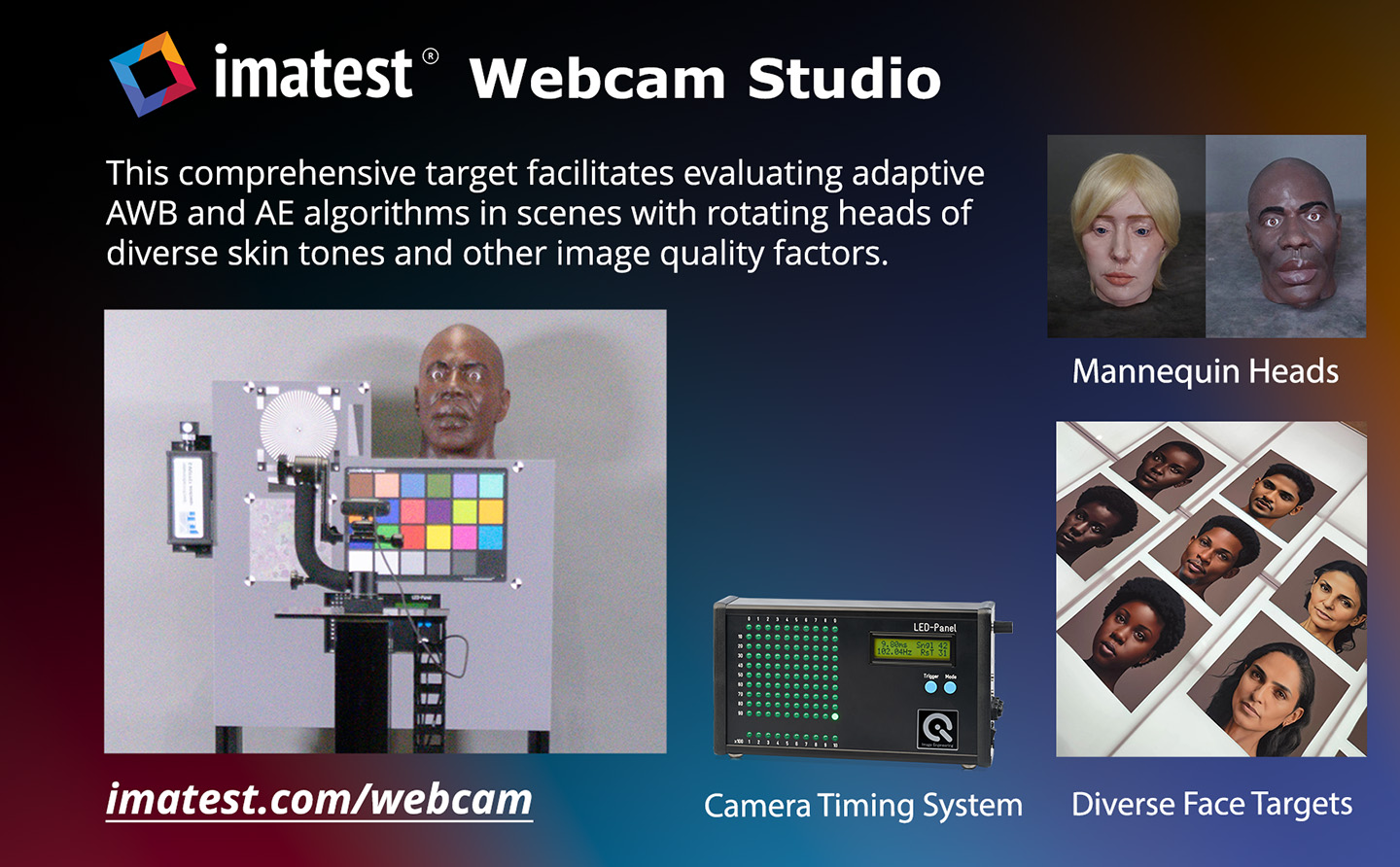
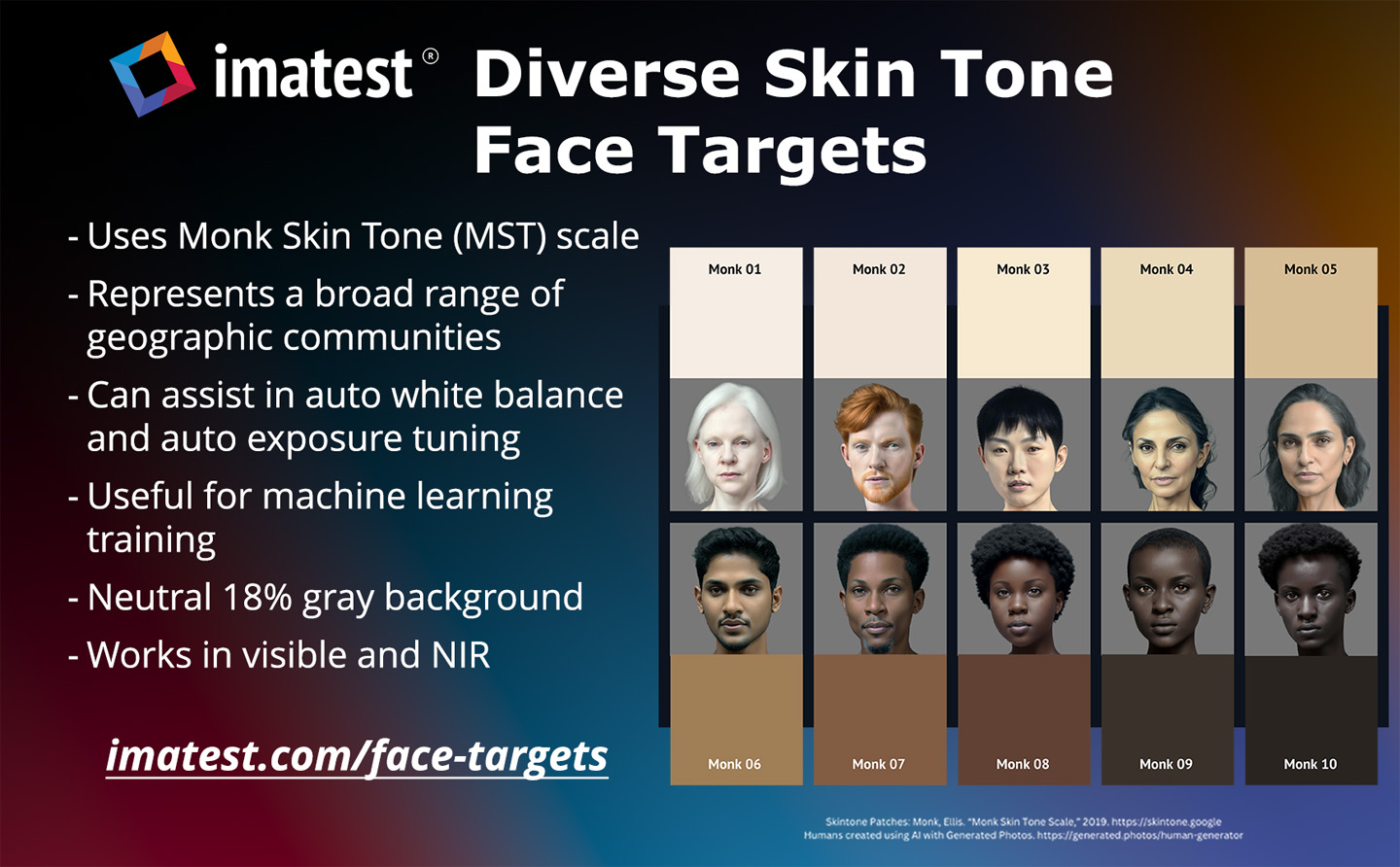
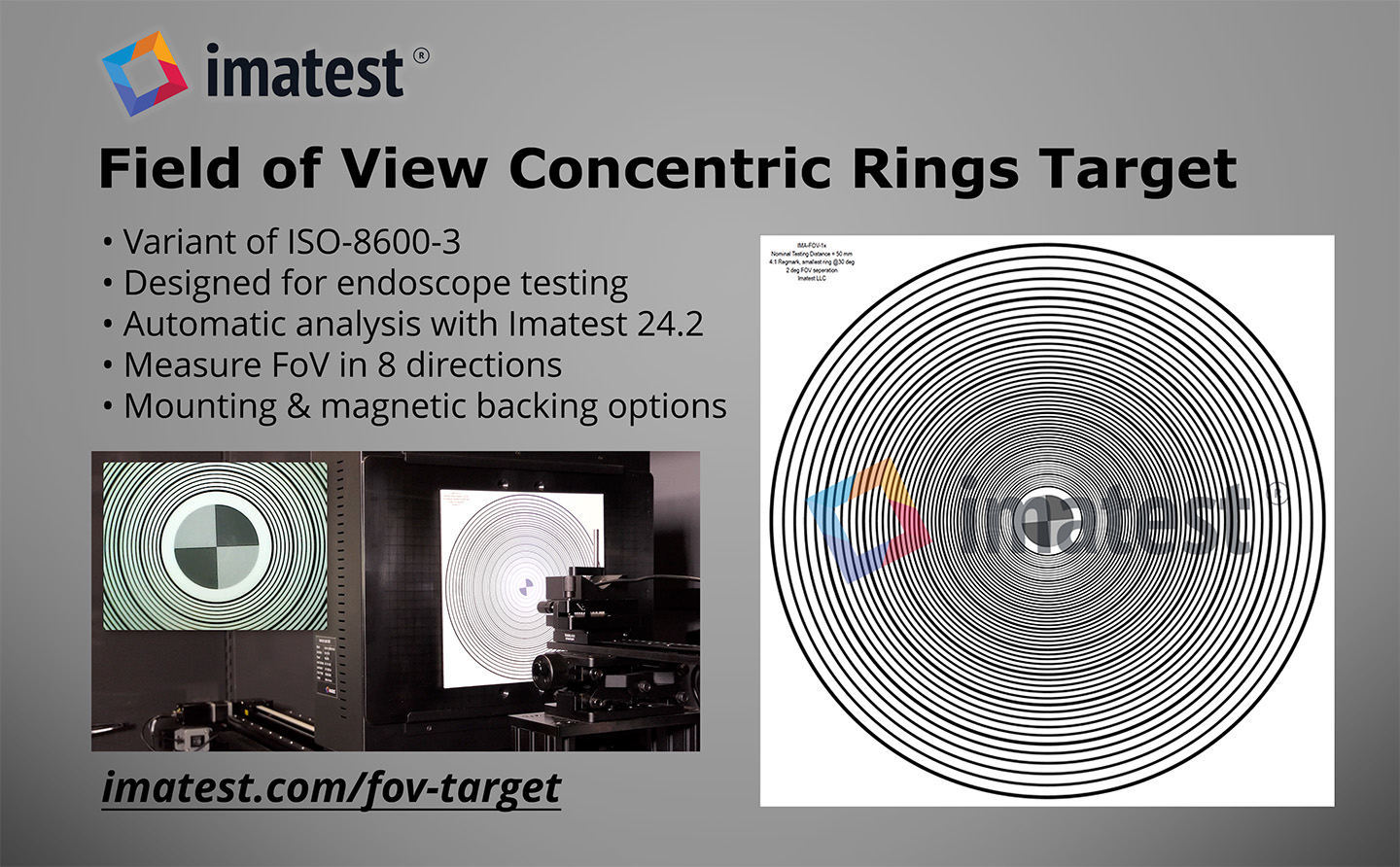
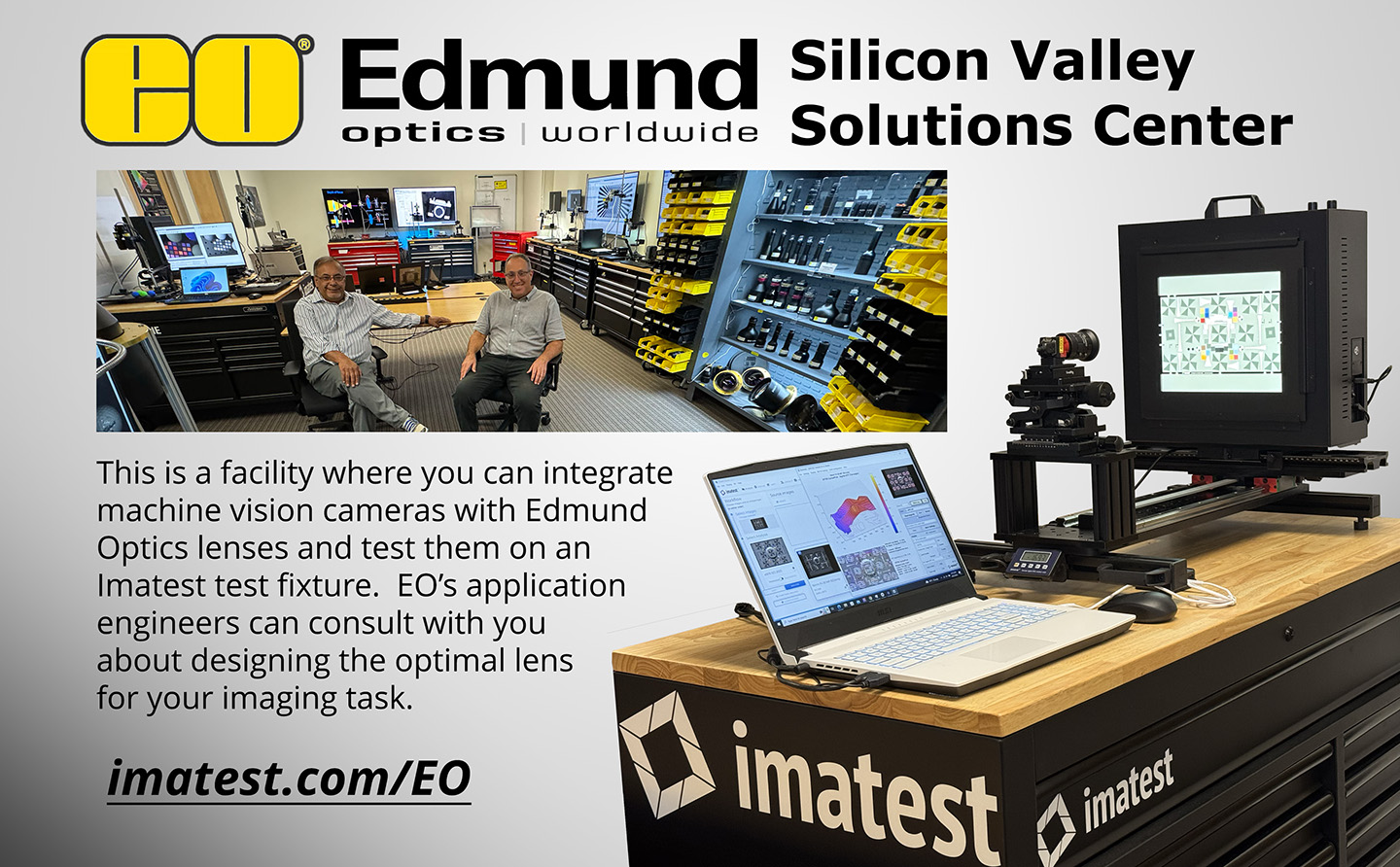
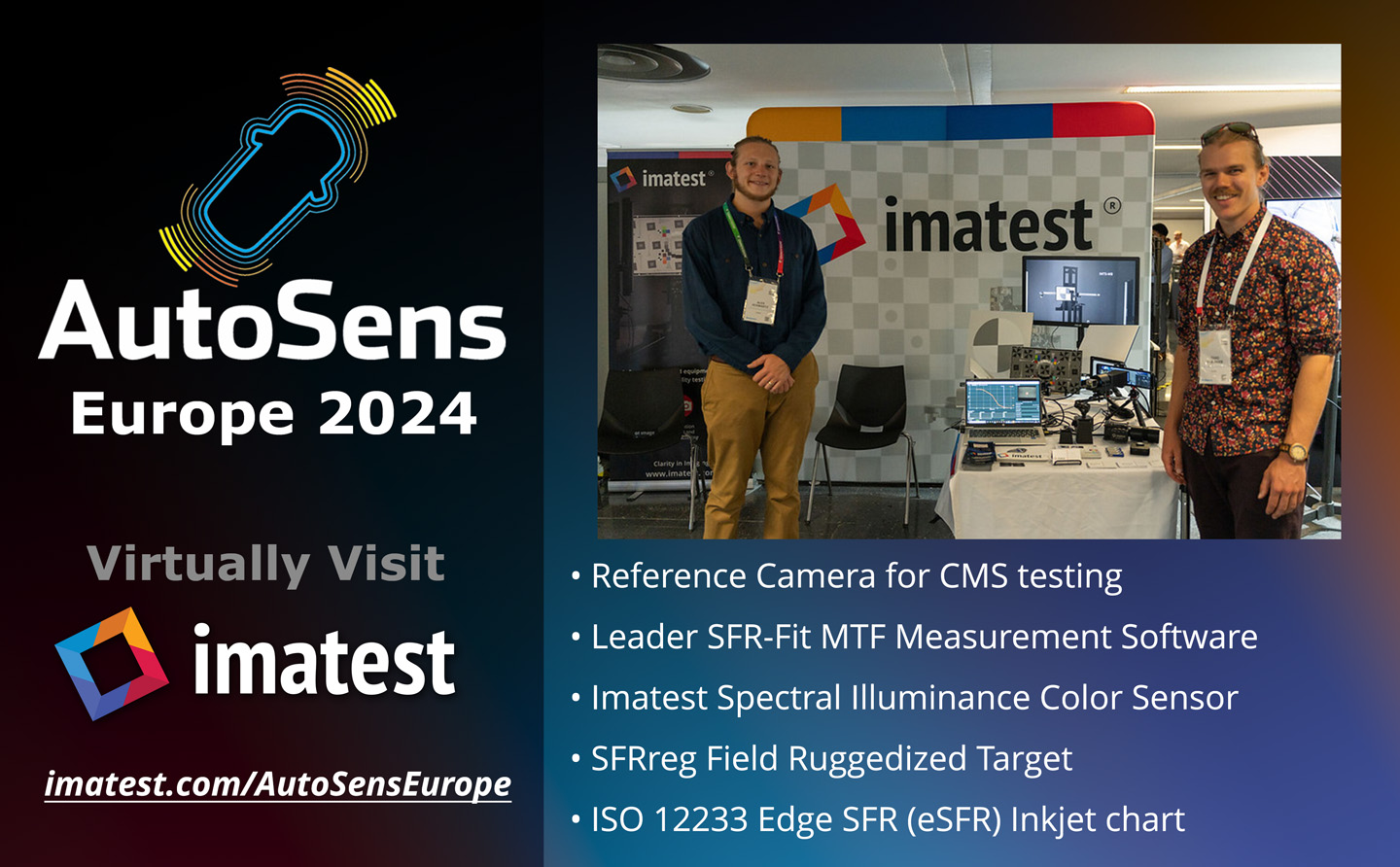
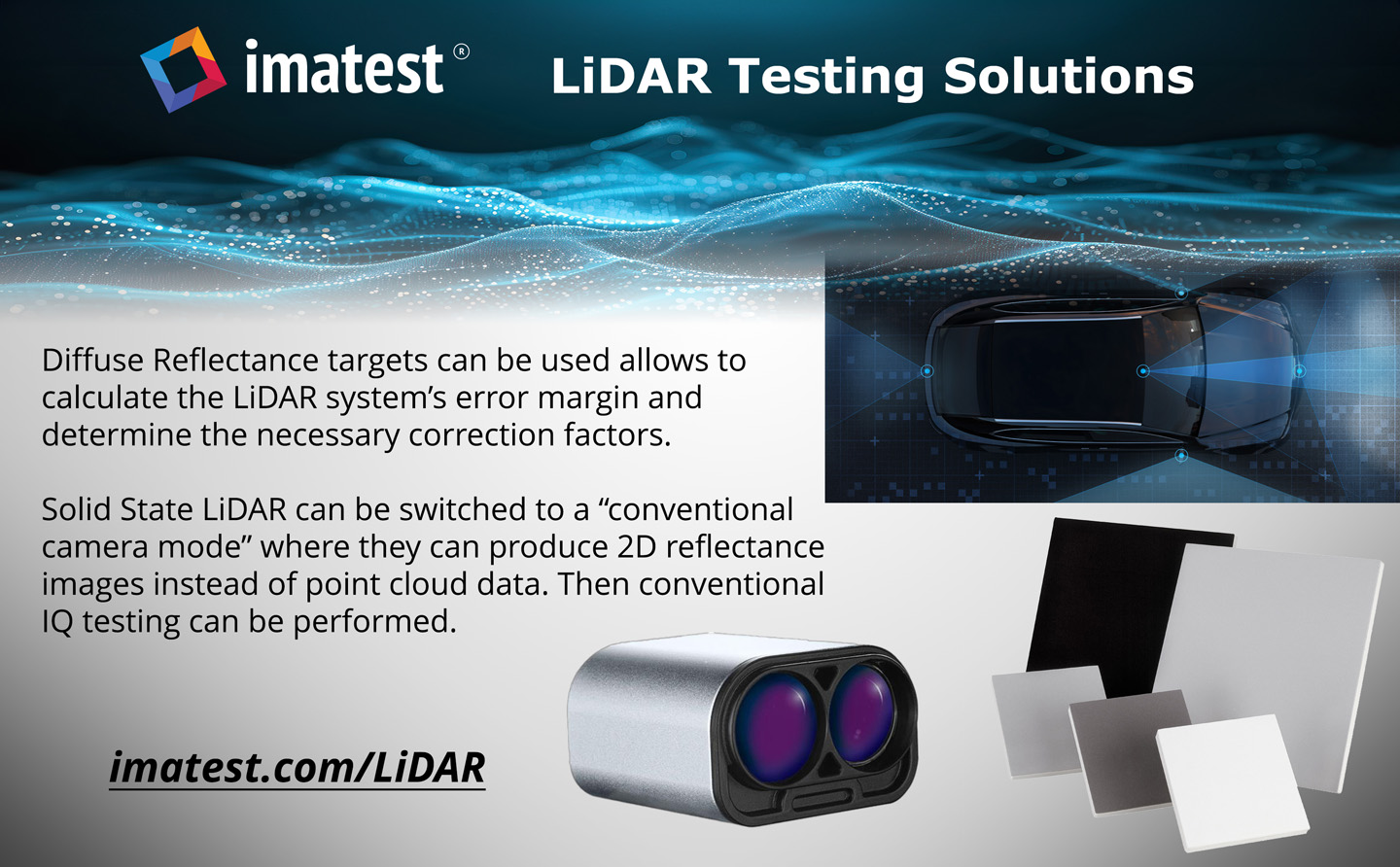
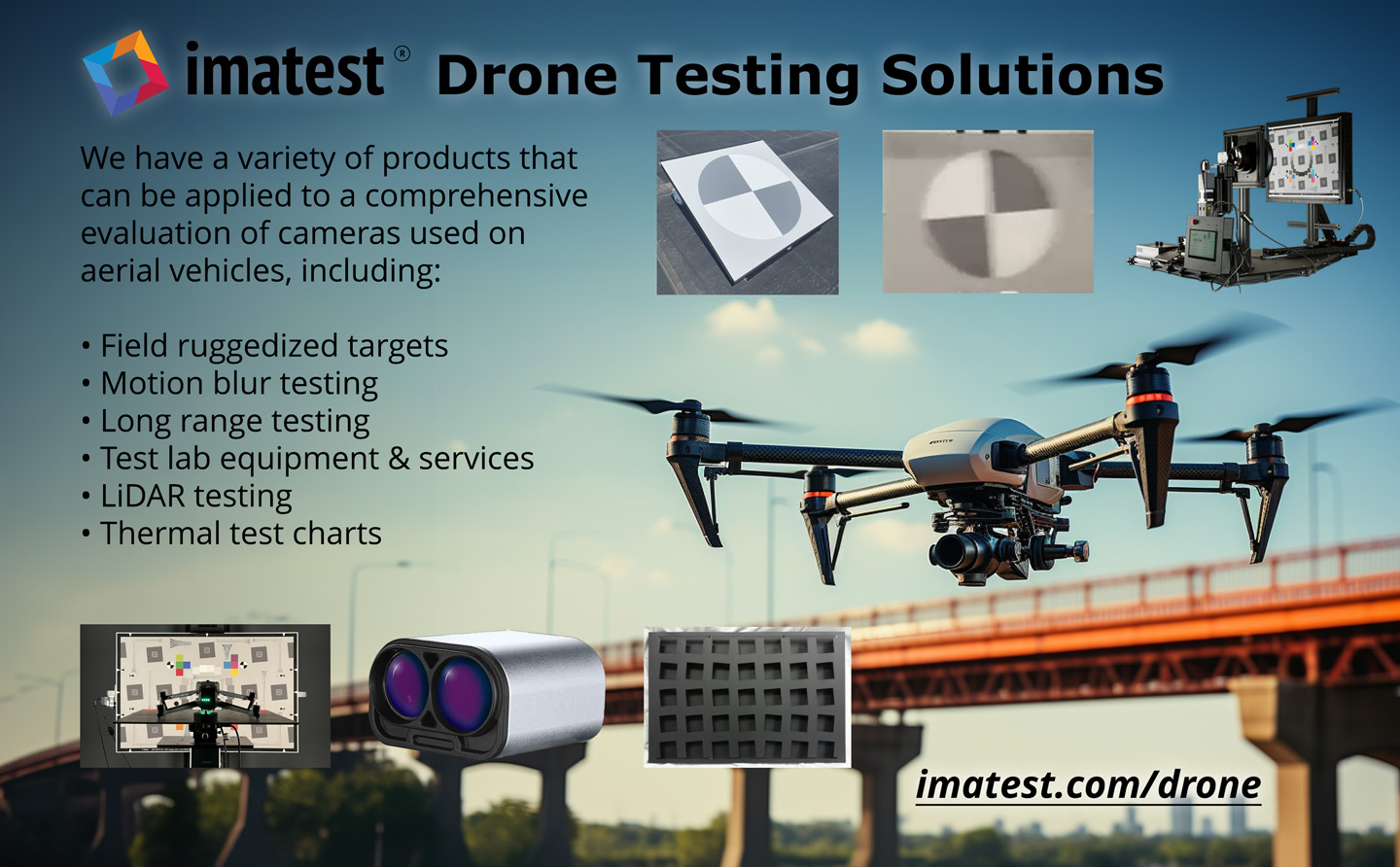
In 2024, Imatest greatly increased our image quality testing capabilities with significant advancements across software, hardware, charts, and solutions. We introduced software updates like versions 24.1 and 24.2, alongside the innovative Leader SFR-Fit. Hardware developments included a fully motorized modular test stand, advanced lighting systems, precision sensors, and magnetic chart holders. New chart designs such as the field-ruggedized target, diffuse reflectance LIDAR target, and diverse skin tone face targets enhanced testing precision. Imatest participated in key conferences like Autosens Europe and Electronic Imaging, showcasing solutions for LiDAR, drones, and test lab services. We released several posts exploring topics including light measurement, and endoscope testing, ensuring a comprehensive view of imaging technology trends.
Software
Hardware
Charts
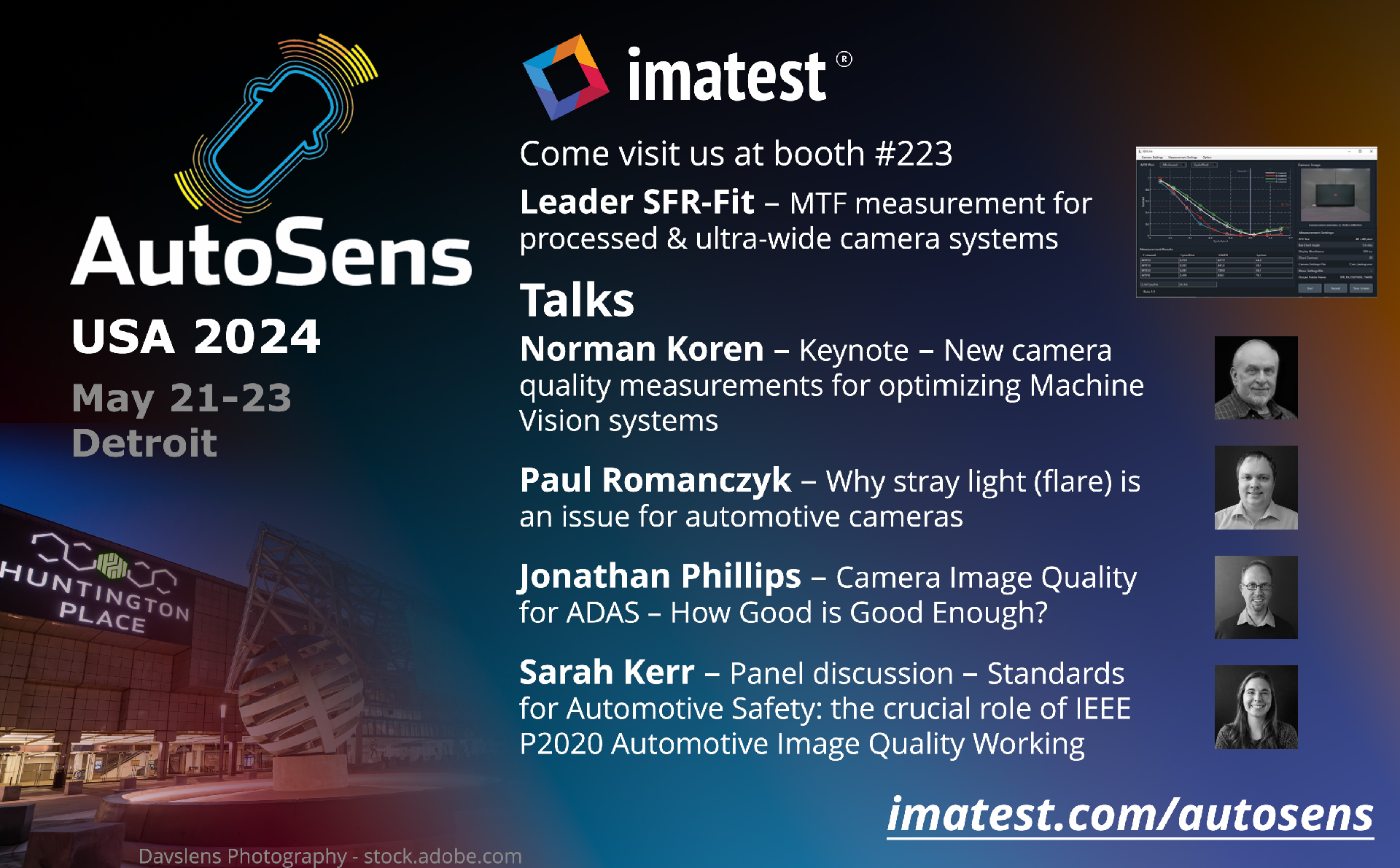
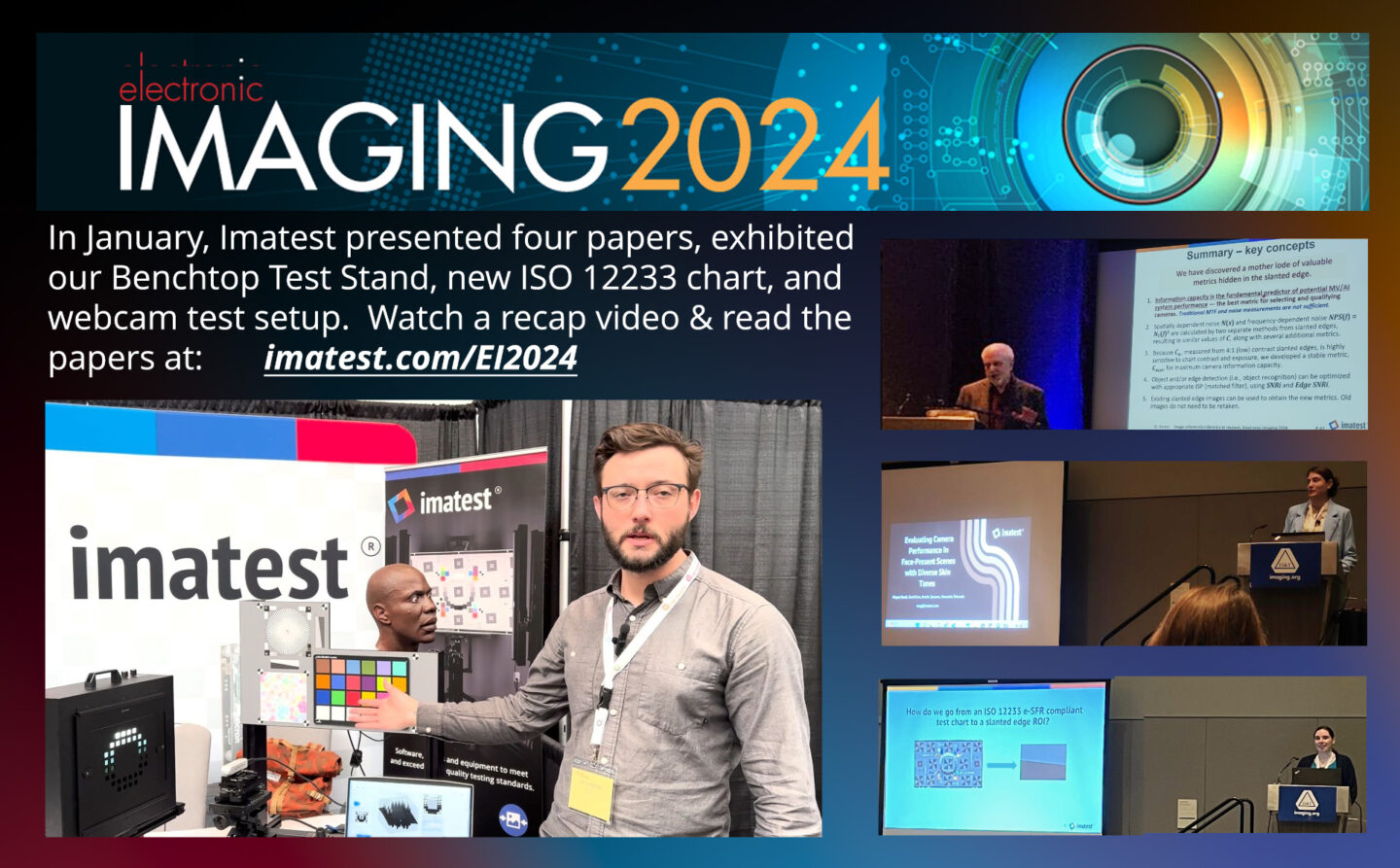
Conferences / Exhibitions
Solutions
Posts
See Also
Concentric ring FOV, ISO Sharpness target support, batch folder processing, console panel, macOS Sequoia
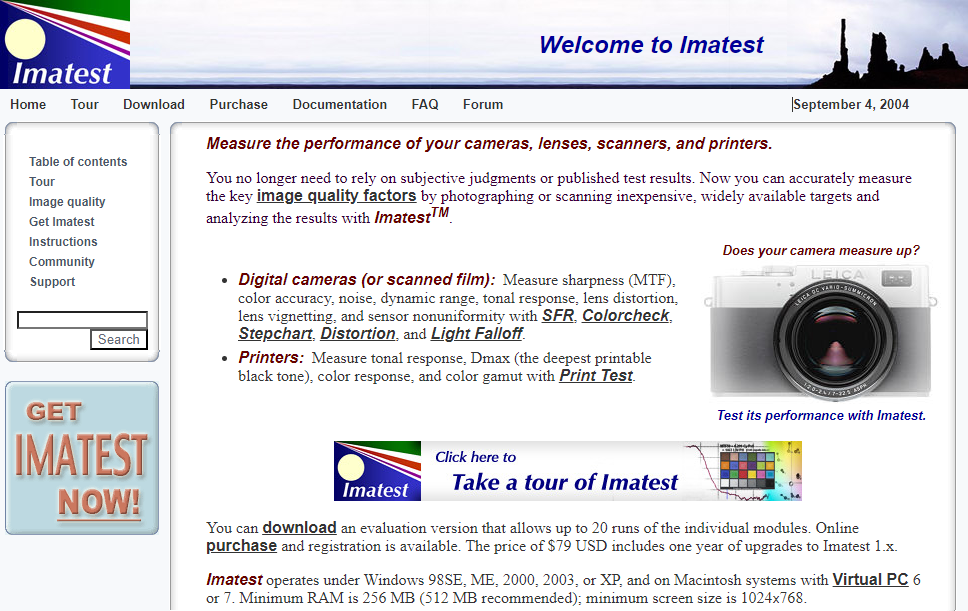
Imatest was founded by Norman Koren in Boulder, Colorado, in 2003. On September 4th 2004, we sold our first Imatest 1.0 licenses. Since then, Imatest has come a long way. For a detailed record of historical updates from 2004-2016, visit our legacy change log, and explore our more recent change log for a timeline of our latest improvements.
We are deeply grateful to all Imatest employees, including the talented engineers and imaging scientists, who have contributed to developing the standards, software, charts, and equipment that form the core of our products.
We sincerely thank our global customers for supporting us throughout this journey. We remain committed to enhancing our offerings and empowering you to continue advancing the imaging systems you create.

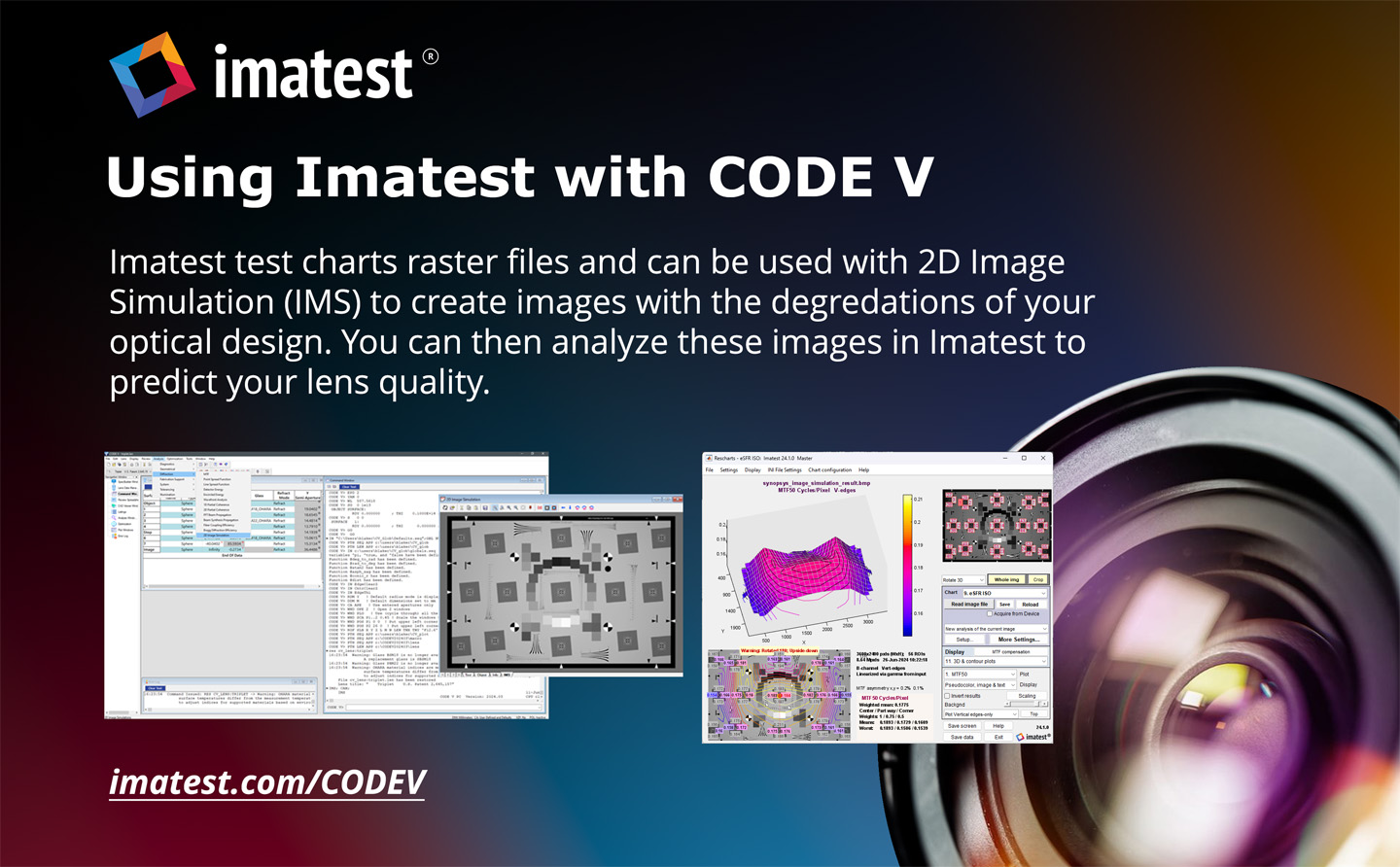
Imatest test charts raster files and can be used with 2D Image Simulation (IMS) to create images with the degradations of your optical design.
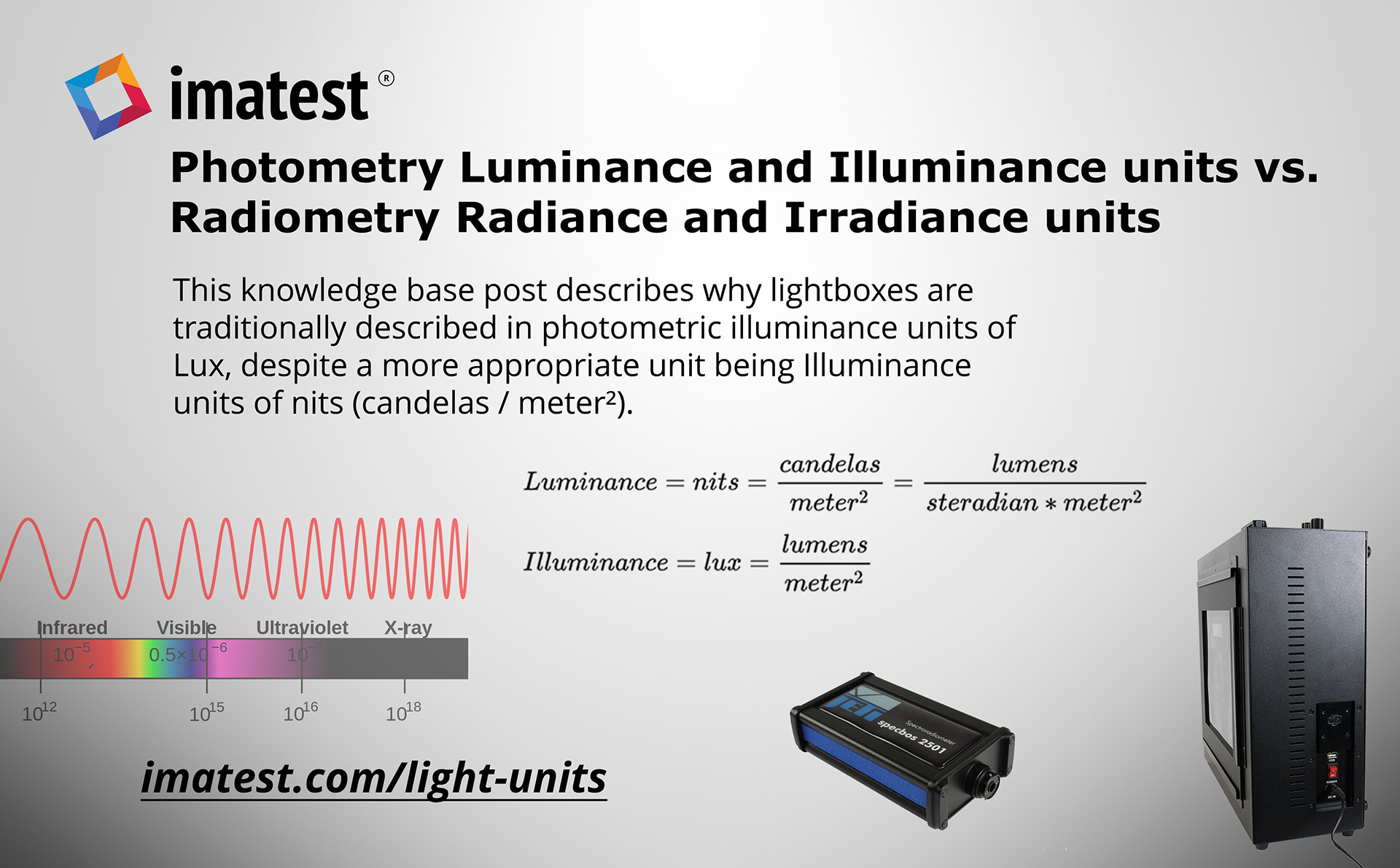
This knowledge base post describes why lightboxes are traditionally described in photometric illuminance units of Lux, despite a more appropriate unit being Illuminance units of nits (candelas / meter²).